
England is known for its rich history, world-class healthcare system, and high standard of living. One of the most important indicators of a country’s overall health and wellbeing is life expectancy. Over the past century, the average life span in England has increased dramatically thanks to advances in medicine, improved living conditions, better nutrition, and public health initiatives.
But how long do people actually live in England today? What factors influence life expectancy, and why do some regions have higher life spans than others?
In this guide, we’ll explore the average life span in England, historical trends, regional differences, factors affecting longevity, and what the future holds for life expectancy in the country.
What Is the Average Life Span in England?
The average life span, also known as life expectancy, refers to the average number of years a person is expected to live based on current mortality rates.
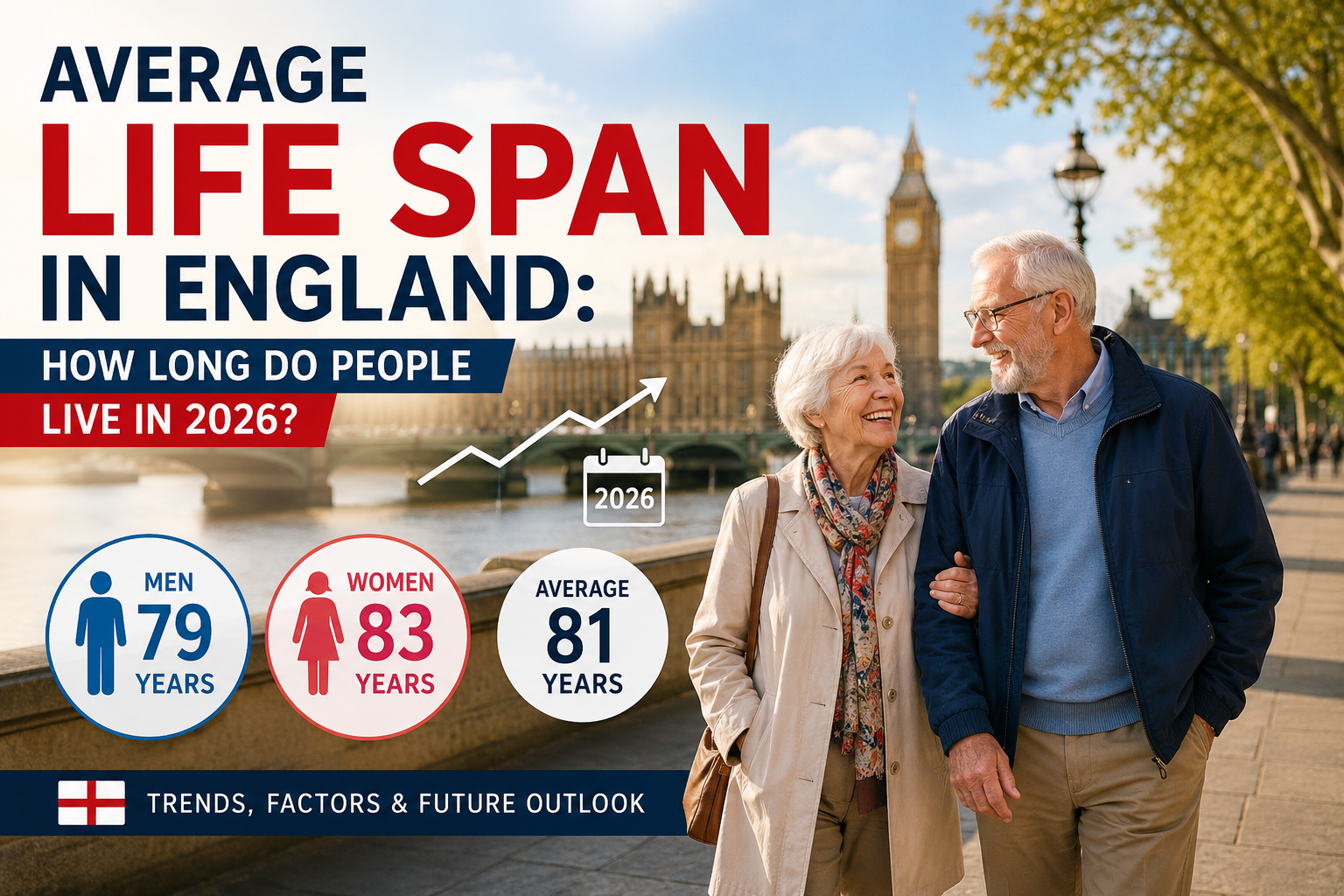
As of recent estimates, the average life expectancy in England is:
- Men: Approximately 79 years
- Women: Approximately 83 years
- Overall population: Around 81 years
Women continue to live longer than men, a pattern seen not only in England but across most developed countries worldwide.
These figures represent significant progress compared to previous generations and highlight the effectiveness of England’s healthcare and social support systems.
A Look Back: Life Expectancy Throughout England’s History
Life expectancy in England has not always been as high as it is today.
England in the 1800s
During the Victorian era, life expectancy was considerably lower. Many people died from infectious diseases such as tuberculosis, cholera, and smallpox. Poor sanitation, overcrowded housing, and limited medical knowledge contributed to high mortality rates.
The average life expectancy during the mid-1800s was often below 45 years.
Early 20th Century
By the early 1900s, public health improvements began to make a noticeable difference. Better sewage systems, cleaner drinking water, and improved healthcare reduced deaths from infectious diseases.
Life expectancy gradually increased to around 50–60 years.
Post-World War II Era
The creation of the National Health Service (NHS) in 1948 transformed healthcare access in England. Universal healthcare enabled millions of people to receive treatment regardless of income.
Vaccination programs, antibiotics, and medical advances further improved survival rates.
Modern England
Today, life expectancy exceeds 80 years for much of the population. Diseases that once claimed thousands of lives are now largely preventable or treatable, allowing people to enjoy longer and healthier lives.
Why Has Life Expectancy Increased?
Several factors have contributed to longer life spans in England.
1. Universal Healthcare Through the NHS
The NHS remains one of the most significant contributors to increased longevity.
Residents have access to:
- Preventive care
- Emergency treatment
- Cancer screening
- Vaccination programs
- Specialist healthcare services
Early diagnosis and treatment help prevent many conditions from becoming life-threatening.
2. Better Living Standards
Modern homes are safer, cleaner, and more comfortable than those of previous generations.
Improvements include:
- Clean drinking water
- Reliable heating
- Improved sanitation
- Better housing quality
- Safer workplaces
These developments have reduced the risk of disease and improved overall health.
3. Medical Advances
Modern medicine has revolutionized healthcare.
Breakthroughs in:
- Heart disease treatment
- Cancer therapies
- Surgical techniques
- Diabetes management
- Organ transplantation
have significantly increased survival rates and quality of life.
4. Improved Nutrition
Access to a wider variety of nutritious foods has helped reduce malnutrition and improve long-term health outcomes.
Although obesity remains a challenge, most people in England have better access to healthy food than previous generations.
5. Public Health Campaigns
Government campaigns have successfully reduced smoking rates and increased awareness of healthy lifestyles.
Efforts promoting exercise, balanced diets, and regular health check-ups continue to support longer life expectancy.
Factors That Affect Life Span in England
While national averages provide useful information, individual life expectancy depends on many factors.
Lifestyle Choices
Personal habits play a major role in determining how long someone lives.
Healthy habits include:
- Regular physical activity
- Eating a balanced diet
- Avoiding tobacco products
- Limiting alcohol consumption
- Getting sufficient sleep
- Managing stress effectively
People who adopt healthier lifestyles generally experience lower risks of chronic diseases.
Socioeconomic Status
Income and education levels strongly influence life expectancy.
People living in affluent areas often have:
- Better healthcare access
- Healthier diets
- Higher-quality housing
- More opportunities for exercise
Meanwhile, deprived communities may face greater health challenges and lower average life spans.
Genetics
Genetic factors can affect the likelihood of developing certain illnesses, including heart disease, cancer, and diabetes.
However, lifestyle and environmental factors often have an even greater impact than genetics alone.
Mental Health
Mental wellbeing is increasingly recognized as an important component of overall health.
Long-term stress, anxiety, depression, and social isolation can contribute to physical health problems and reduced life expectancy.
Regional Differences in England
Life expectancy varies significantly across different parts of England.
Southern England
Many areas in southern England report higher-than-average life expectancy.
Regions such as:
- South East England
- South West England
- Parts of London
often benefit from higher incomes, better employment opportunities, and improved healthcare access.
Northern England
Some northern regions experience lower life expectancy levels.
Factors contributing to this include:
- Higher deprivation rates
- Greater levels of chronic illness
- Economic inequality
- Historical industrial health impacts
The difference between the highest and lowest life expectancy areas can exceed several years.
Why Do Women Live Longer Than Men?
Women in England consistently outlive men.
Several explanations exist for this trend.
Biological Factors
Women may benefit from certain hormonal advantages that provide protection against cardiovascular disease during earlier stages of life.
Health Behavior
Research shows women are generally more likely to:
- Attend health screenings
- Visit doctors regularly
- Seek medical advice earlier
Risk-Taking Behavior
Men have historically been more likely to engage in behaviors associated with health risks, including smoking, heavy drinking, and dangerous occupations.
Although the gap has narrowed over time, women continue to have a higher average life expectancy.
Healthy Life Expectancy Matters Too
Living longer is important, but quality of life matters just as much.
This is where healthy life expectancy becomes relevant.
Healthy life expectancy measures the number of years a person can expect to live in good health, free from significant illness or disability.
In England, people may live into their 80s, but healthy life expectancy is often lower.
This means individuals may spend several years managing chronic conditions such as:
- Arthritis
- Heart disease
- Diabetes
- Dementia
Improving healthy life expectancy has become a major focus of healthcare policy.
Challenges Facing Future Life Expectancy
Although life expectancy remains high, England faces several challenges.
Aging Population
The population is growing older, placing increased pressure on healthcare and social care services.
Obesity
Obesity rates have risen significantly over recent decades and contribute to:
- Heart disease
- Stroke
- Type 2 diabetes
- Certain cancers
Mental Health Concerns
Mental health issues continue to affect millions of people and can indirectly impact physical health and longevity.
Health Inequalities
Reducing regional and socioeconomic health disparities remains a major public health priority.
How England Compares with Other Countries
England performs well compared to many nations around the world.
Countries with similar or slightly higher life expectancy include:
- Japan
- Switzerland
- Singapore
Compared with many developing countries, England benefits from:
- Universal healthcare
- Strong public health systems
- High living standards
- Advanced medical technology
These advantages contribute to longer average life spans.
The Future of Life Expectancy in England
Experts expect life expectancy to continue increasing, although growth may occur more slowly than in previous decades.
Future improvements may come from:
- Personalized medicine
- Artificial intelligence in healthcare
- Better disease prevention
- Advanced cancer treatments
- Improved public health policies
At the same time, addressing obesity, healthcare funding, and social inequalities will be essential for maintaining progress.
Conclusion
The average life span in England is among the highest in the world, with men living around 79 years and women around 83 years on average. This remarkable achievement reflects decades of progress in healthcare, nutrition, public health, and living standards.
However, life expectancy is influenced by many factors, including lifestyle choices, income levels, healthcare access, and geographic location. While people are living longer than ever before, improving healthy life expectancy remains an important goal.
No As medical technology advances and health awareness grows, England is likely to continue making progress toward longer, healthier lives for future generations. Understanding the factors behind life expectancy can help individuals make informed choices that improve both lifespan and quality of life.